A control plane for AI agents · Built in Canada
Governed AI, on sovereign ground.
Cloister runs on your machines, answers to your policies, and keeps a record that holds up. It does not make agents smarter. It makes them governable.

A cloister is a covered walk — a simple, constrained path. That is the whole idea. Agents are useful. Ungoverned agents are a liability. Cloister keeps the work on the path.
The market deployed agents before it governed them.
Most organizations now have agents in production they cannot audit, cannot halt safely, and cannot prove were authorized to act. Cloister is the governance layer they skipped.
Every action is checked against your policy before it runs. Every decision is written to a durable audit log. And the stop actually stops.
The governed flow
Nothing runs until it has been evaluated. Everything that runs is on the record.
Fail-closed. A law violation halts immediately. A policy gate can wait for a named human. The audit trail survives failure.
Three tiers of authority
Deterministic evaluation before any agent is invoked. Not a filter on outputs — a boundary on execution.
Forbidden actions — force-push to main, drop a database, commit credentials — halt the task outright. No sensor, no appeal.
Governance gates that can require a named human approval or an LLM evaluation before work proceeds, triggered by the kind of boundary being crossed.
Quantitative bounds on declared scope — files touched, lines changed — checked deterministically before dispatch.
Runs where your data lives
Two deployment modes. Both on your infrastructure. Neither phones home.
On-premise, disconnected, with local model backends. No external calls, no exceptions. For Protected workloads and networks that never touch the internet.
Your infrastructure and your keys, with the frontier providers you approve. Every call governed, every response on the record.
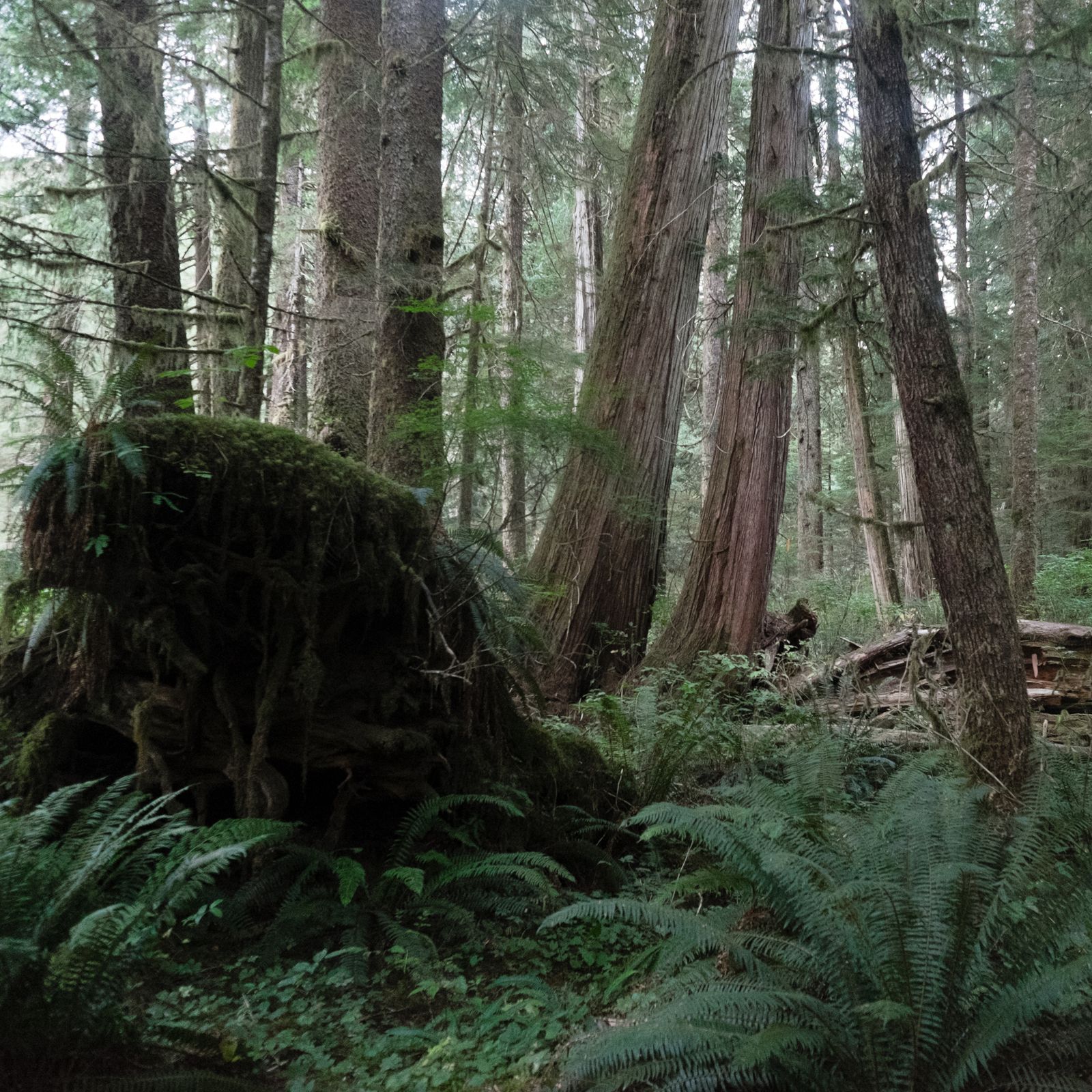
Made on Vancouver Island
Canadian ground. Canadian rules.
Cloister is built in British Columbia and designed for organizations that cannot send their decisions south. The governance engine — everything one team needs to run governed agents — is open source under MIT. The fleet control plane is source-available (BUSL-1.1), with every version converting to MIT within four years: vendor-death insurance for sovereign buyers, in the license itself. Your policies, your audit trail, and your agents' memory stay on infrastructure you control — in Canada, if that is where you put it.
Dashboards assess. Monitors watch. Cloister enforces.

Request Early Access or a Demo
We are partnering with leaders in finance, health, and government. Share your context to speak directly with our team.
Govern what you have already deployed.
We are working with early partners in government, finance, and health. If that is you, we should talk.